
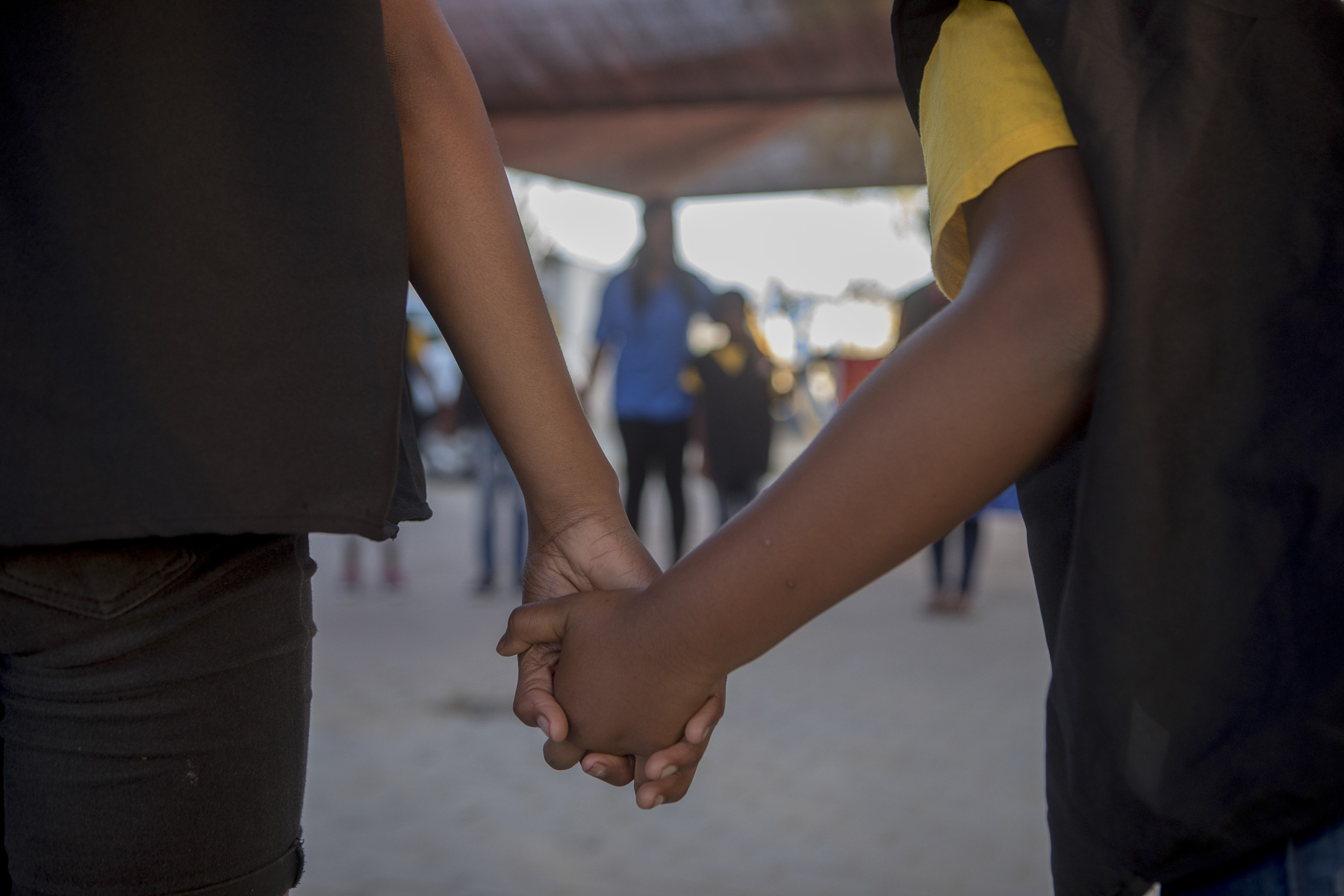
At the start of 2026, Kinderfonds MAMAS began the year by supporting the launch of the PowerGirls programme at four newly funded partner sites. As these organisations introduced PowerGirls, Kinderfonds MAMAS facilitated a three-day training designed to prepare facilitators and coordinators to deliver the programme with confidence. The training focused on learning, growth and empowerment, combining programme administration, practical facilitation techniques, and essential soft-skills development for the MAMAS who guide the girls each week. Facilitators also received new programme manuals, while Langa and Naledi girls were provided with diaries to support their educational and personal development throughout the year.
The rollout focused on four newly launched PowerGirls sites in Gauteng, Mpumalanga and the Northern Cape. Rather than bringing facilitators together from different sites, the Kinderfonds MAMAS team travelled to each location to provide hands-on, site-specific training and support. Because these organisations had not previously implemented the PowerGirls programme, the training focused on equipping facilitators and coordinators with the knowledge, tools, and confidence needed to run their sessions effectively. This approach ensured that each site received practical guidance on programme delivery, helping to lay a strong foundation for the year ahead.
More Than Manuals: Investing in People and Partnerships
The introduction of the new manuals marked far more than a simple curriculum update. It was the result of a thoughtful, participatory process shaped by feedback from the sites themselves. Over time, facilitators had raised concerns that the previous content felt repetitive and did not always reflect the realities of the girls they work with. Retention in some groups had begun to decline, signalling the need for something more relevant, engaging, and grounded in the lived experiences of the girls.
In response, Kinderfonds MAMAS worked closely with facilitators and the girls themselves to reimagine the programme content. The new manuals were developed through a collaborative process in which MAMAS and PowerGirls contributed ideas for topics, themes, and activities that felt meaningful and relatable to their communities. The result is content that is truly by them and for them, including locally relevant examples and indigenous games that resonate with the girls’ everyday lives, rather than unfamiliar activities that feel disconnected from their reality.
The new manuals, therefore, represent an investment not only in curriculum, but in the people and partnerships that bring the programme to life. By grounding the content in the voices and experiences of facilitators and girls, the programme strengthens both engagement and ownership at the site level.
Being physically present at the sites during the training further reinforced the value of accompaniment. By travelling to each new partner organisation, the Kinderfonds MAMAS team was able to provide practical support, answer questions, and ensure facilitators felt confident delivering the programme for the first time. This hands-on approach helped build strong foundations for implementation and strengthened relationships with the organisations leading the work in their communities.
When Girls See Themselves in the Lesson
Early sessions revealed something powerful: the girls could see themselves in the content.
Financial literacy emerged as a key theme, with sessions focused on budgeting, distinguishing between needs and wants, and responsible money management. Girls engaged enthusiastically in group activities where they were tasked with allocating resources as families, presenting their decisions, and reflecting on their choices.
Many facilitators noted that the girls quickly connected these lessons to subjects like EMS and Accounting at school. More importantly, they began applying the concepts to their own lives, questioning spending habits, thinking critically about saving, and reconsidering expectations around money at home.
When content resonates with lived experience, learning becomes transformative rather than theoretical.
Courageous Conversations, Safe Spaces
Alongside financial literacy, sessions on human trafficking and personal safety opened up important and at times difficult conversations.
Facilitators guided discussions on safe and unsafe situations, stranger danger, and protective strategies, using relatable stories and practical tools such as family “safety codes.” Girls shared stories they had heard or witnessed within their communities and school, demonstrating both awareness and vulnerability.
These sessions underscored why safe, structured spaces are essential. The PowerGirls programme does not shy away from reality; it equips girls to navigate it with knowledge and confidence. Through dialogue, activities, and reflection, facilitators helped girls process sensitive topics while reinforcing their agency and right to safety.
Confidence in Action: Participation, Leadership and Voice
Across sites, from urban centres to rural communities, facilitators reported strong participation, curiosity, and enthusiasm.
New girls who initially appeared shy began contributing to discussions. Groups collaborated on activities, presented their insights, and engaged confidently with new terminology and concepts. Observers noted professionalism, clear ground rules, and structured facilitation that encouraged ownership and leadership among the girls.
The refreshed manuals have supported facilitators in delivering sessions that are both educational and empowering. The result is visible: girls who are eager to learn, willing to speak, and increasingly confident in expressing their ideas.
Phambili: Moving Forward Together
The start of 2026 has demonstrated what is possible when corporate social investment goes beyond funding and focuses on capacity building, partnership, and presence.
By equipping facilitators with updated tools, supporting coordinators through on-the-ground training, and ensuring that girls receive relevant, practical content, the PowerGirls programme continues to evolve in step with the realities communities face.
Across all nine provinces of South Africa, from rural villages to bustling cities, a shared energy has emerged: one of commitment, collaboration, and hope.”.
Phambili. Moving forward together, building confident, informed, and resilient young women, one session at a time.