
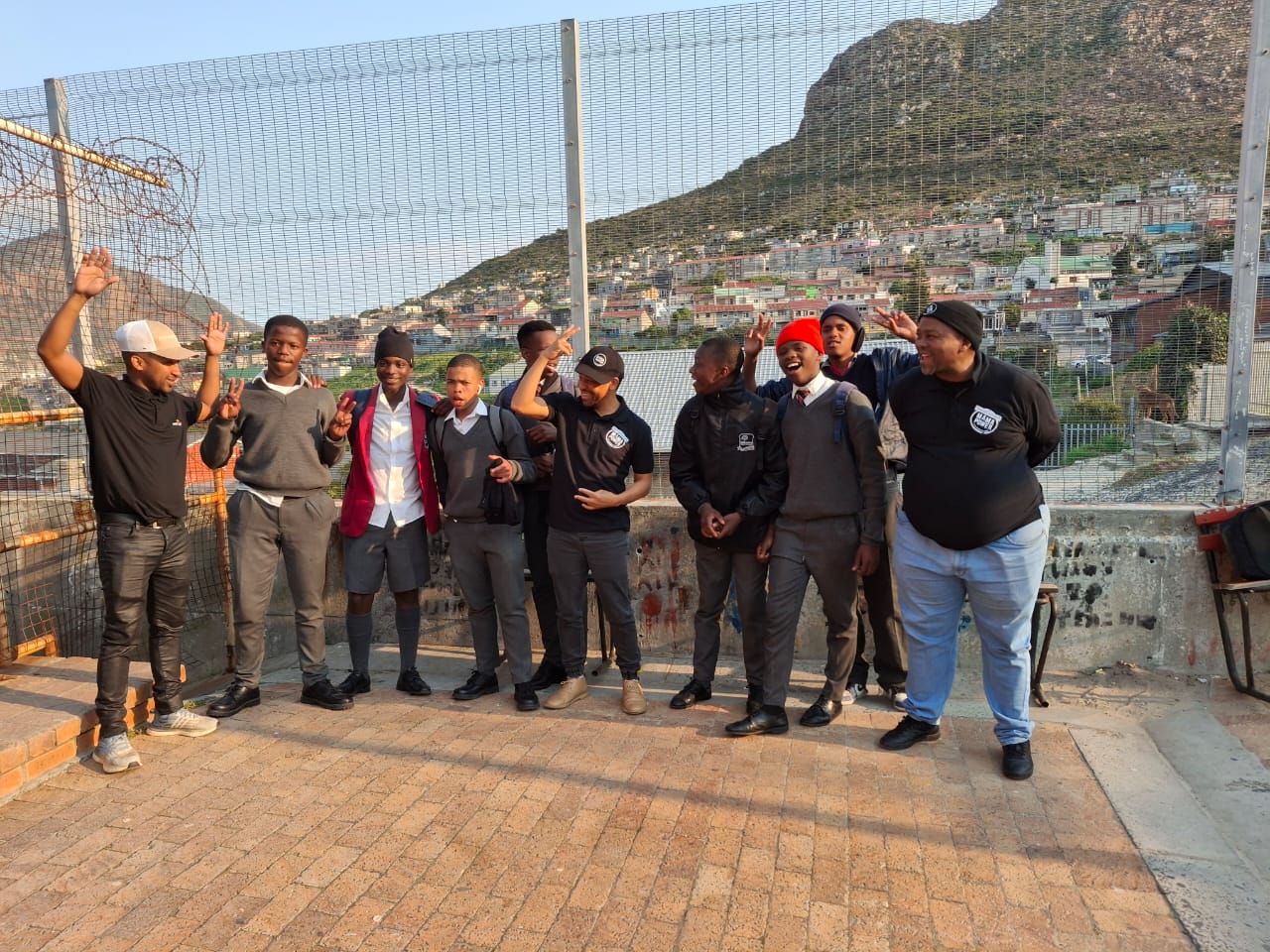
An interview with Thapelo Phiri, Project Coordinator: Boys Matter
When Thapelo Phiri speaks about the Boys Matter programme, he does so with the calm conviction of someone who has spent time listening, not just planning. In 2025, that listening took him across South Africa, into classrooms, community halls and informal settlements, as Boys Matter prepared for its national expansion.
“Before we could grow the programme, we had to understand the realities boys are living in,” says Phiri. “Not from behind a desk, but on the ground.”
A programme born from need
Boys Matter was developed in response to a persistent gap in psychosocial support for boys growing up in challenging environments. Many face poverty, disrupted schooling, exposure to violence, substance abuse and a lack of positive male role models. The programme creates structured, safe spaces where boys can talk, learn life skills and explore healthy versions of masculinity.
“In many communities, boys are expected to ‘just cope’,” Phiri explains. “But coping without support often turns into anger, withdrawal or risky behaviour. Boys Matter is about interrupting that cycle early.”
Learning before scaling
In 2025, ahead of the programme’s formal rollout, Phiri conducted site visits to four partner NGOs; Woza Moya, Thanda, Ndlovu, Ubuntu4All and James House. These visits were designed to assess how the curriculum landed in different contexts and what facilitators needed to succeed.
What stood out most was the power of skilled facilitation.
Across sites such as Thanda and Woza Moya, Phiri observed highly engaging sessions where facilitators used role-play, movement, music and language translation to make complex ideas accessible. The energy in the room was palpable, with boys actively participating and connecting deeply with the content.
These visits also surfaced valuable opportunities for growth across the programme. Differences in facilitation styles and levels of preparation highlighted the importance of consistent support and shared learning. Rather than being a setback, these insights became one of the most important outcomes of 2025, directly informing the decision to invest in a strengthened, standardized facilitator training approach that draws on collective experience and proven practice.
One programme, many realities
Another crucial lesson from 2025 was that no two communities are the same.
“At Ubuntu4All and James House, boys spoke openly about gangsterism, drugs and shack fires,” says Phiri. “One session on fire safety wasn’t abstract, it was about survival.”
In more rural settings, challenges centred on poverty, isolation and limited access to opportunities. These contrasts reinforced the need for a flexible, modular curriculum, one that addresses universal themes like identity, respect and emotional literacy, while allowing for locally relevant content.
“A one-size-fits-all approach simply doesn’t work,” Phiri notes. “Relevance is what makes learning more possible.”
Early signs of impact
While 2025 was a learning and groundwork year, signs of impact were already visible. Facilitators reported improved participation, stronger peer relationships and increased confidence among boys.
Phiri shares the story of a quiet 12-year-old who barely spoke during his first session. “By the third session, he volunteered to role-play conflict resolution in front of the group. That moment told us everything; safety builds courage.”
Another facilitator described boys beginning to take lessons home, challenging harmful behaviour among peers and siblings. “That’s how change spreads,” Phiri says. “One conversation at a time.”
Looking ahead
With a refined curriculum, strengthened partnerships and a clear training strategy, Boys Matter enters its next phase with confidence.
“The passion of our partner organisations is our greatest asset,” Phiri reflects. “If we support them properly, this programme can change how boys see themselves and how their communities experience them.”
A call to invest in boys, and in community-led change
As Boys Matter prepares to scale, the opportunity for the Corporate Social Investment (CSI) sector is clear. Supporting programmes like Boys Matter is not only an investment in individual boys, but in safer communities, stronger families and more resilient futures.
By investing in community-based organisations and the facilitators who deliver this work, CSI partners can help ensure that boys across South Africa have access to the guidance, safe spaces and positive role models they need to thrive.
Partner with us to expand Boys Matter and be part of building safer futures, one conversation at a time.